
Discover 15 powerful ways to embrace a greener, sustainable future with Zero Waste Living. Learn simple swaps, helpful habits, and actionable tips anyone can follow starting today.
1. Understanding Zero Waste Living in Today’s World:
Zero Waste Living is more than a trend—it’s a lifestyle shift that focuses on reducing trash, reusing materials, and making choices that protect our planet. As climate concerns rise and waste levels grow, Zero Waste Living becomes an essential part of building a sustainable future for everyone.
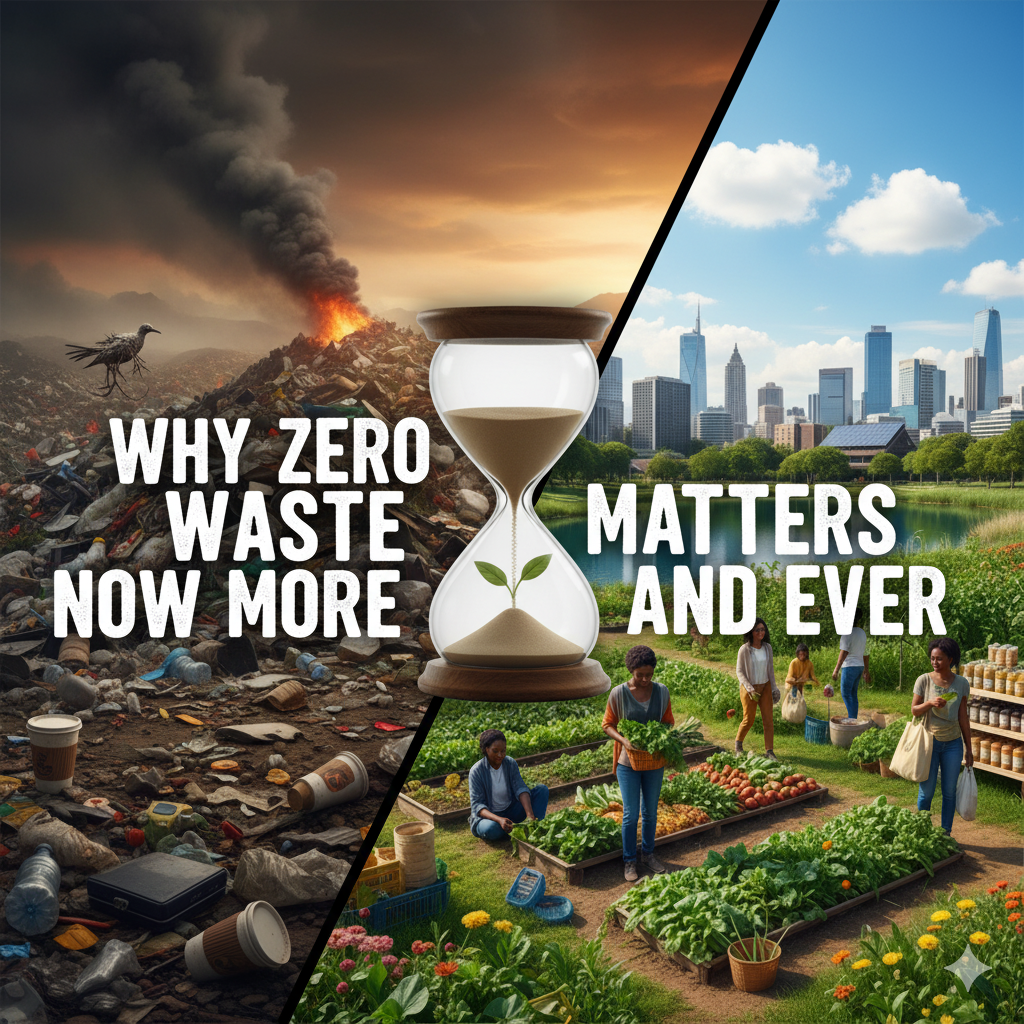
2. Why Zero Waste Matters Now More Than Ever:
Every year, millions of tons of plastic end up in oceans, landfills, and natural habitats. By reducing waste at home, each person helps cut pollution, conserve resources, and decrease carbon footprints. It’s a small change that creates big environmental impact.
3. Environmental, Economic & Social Benefits:
Zero Waste Living helps reduce greenhouse gases, supports cleaner communities, and encourages mindful shopping. Families also save money by reusing items instead of constantly buying new products.
4. Switching to Reusable Everyday Essentials:
This is one of the easiest steps to begin Zero Waste Living and reduce reliance on single-use materials.
Reusable Bags, Bottles & Containers
Instead of plastic bags and disposable bottles, choose cotton bags, glass jars, and stainless-steel containers. These last longer and cut down on waste dramatically.
Reducing Household Packaging Waste
Buying products without excessive packaging and avoiding individually wrapped items helps prevent overflowing trash bins.
5. Choosing Sustainable Food Habits:
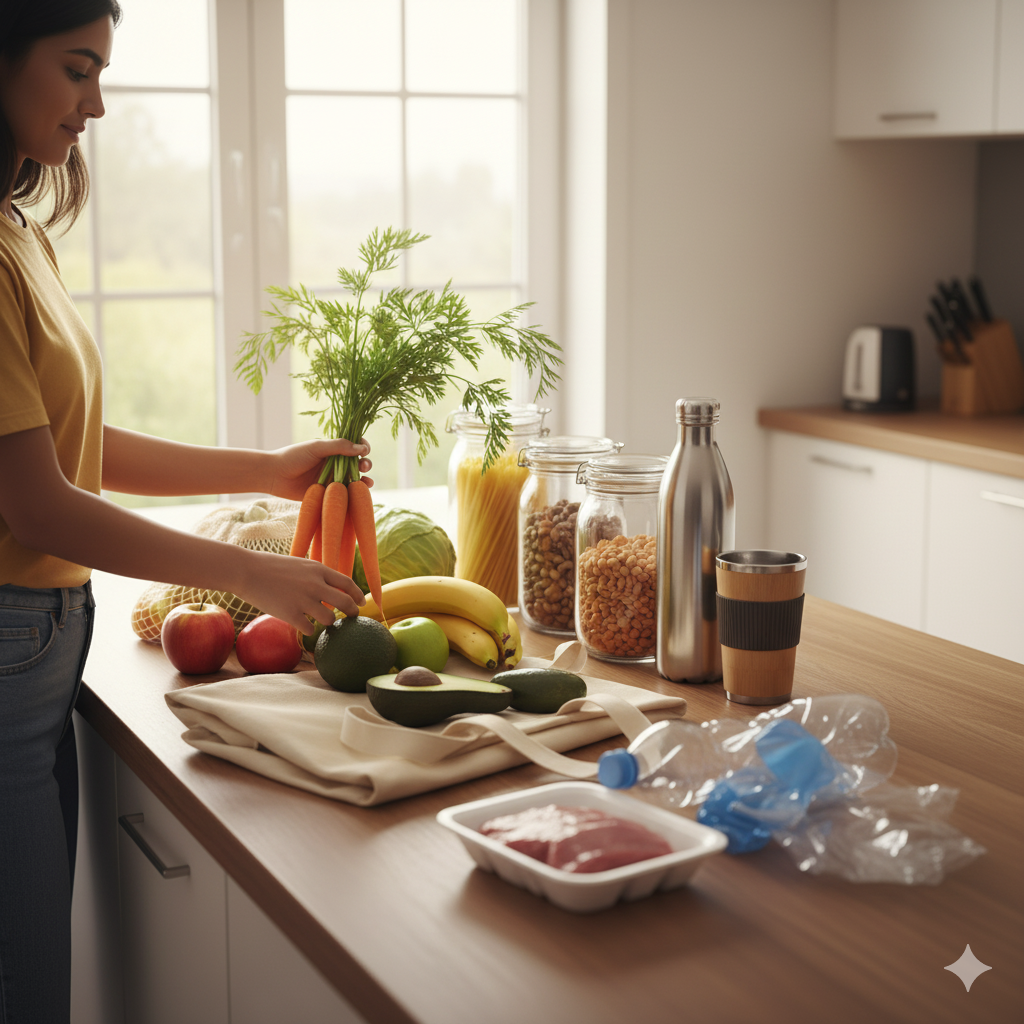
Food waste plays a major role in global pollution. Adjusting eating habits promotes Zero Waste Living and supports the environment.
6. Buying in Bulk:
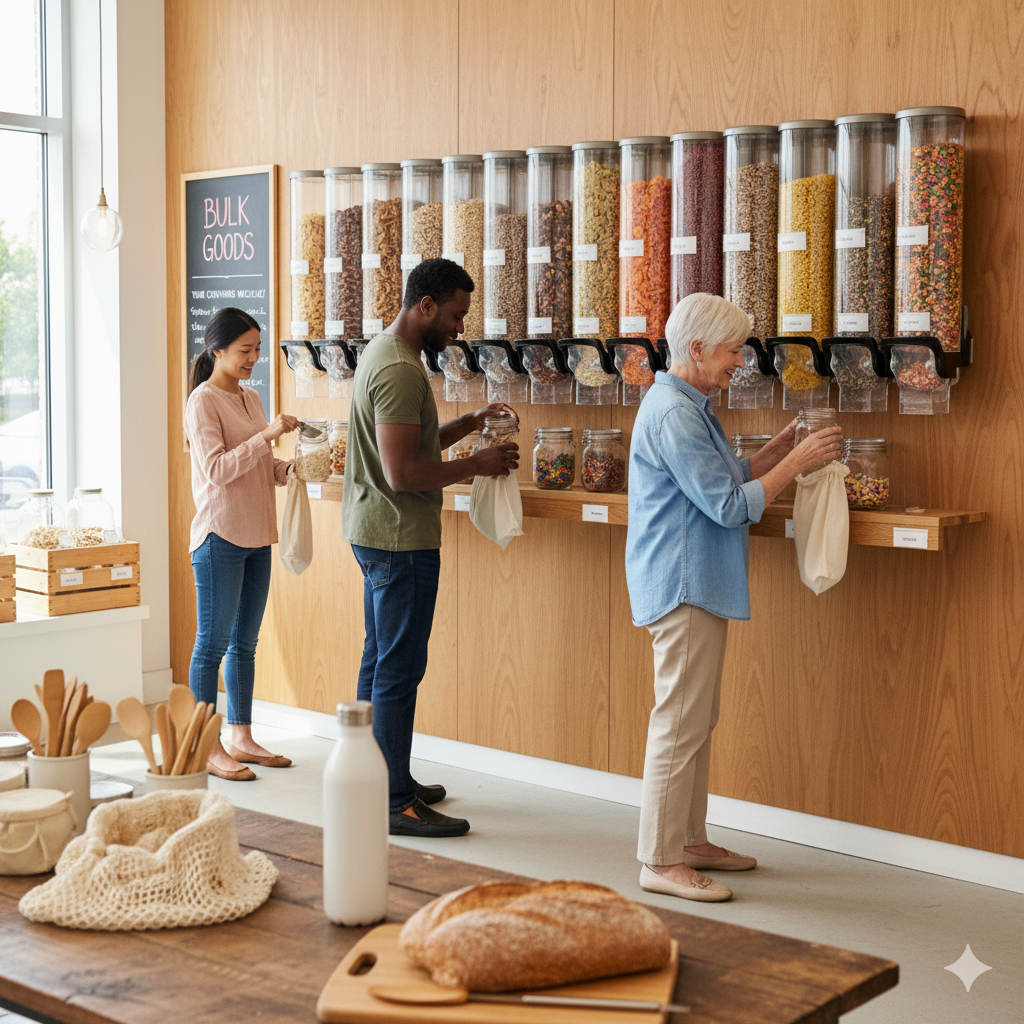
Bulk stores let you purchase only what you need and reduce unnecessary packaging. Bring your own containers and jars to shop sustainably.
7. Composting Food Scraps:
Instead of throwing away fruit peels, vegetable ends, and leftovers, compost them. Compost enriches soil and reduces landfill gases.
8. Minimizing Plastic Consumption:
Plastic pollution is one of today’s biggest environmental concerns.
Easy Plastic-Free Swaps
Replace plastic cling wrap with beeswax wraps, switch to bamboo toothbrushes, and choose cardboard-packaged items when possible.
9. Avoiding Single-Use Products:
Opt for refillable soaps, reusable straws, and metal cutlery. These small habits significantly reduce waste.
Zero Waste Personal Care Products
Your bathroom is an excellent place to cut down on trash.
Shampoo Bars, Metal Razors & More
Shampoo bars last longer than bottled shampoo and contain fewer chemicals. Metal razors reduce waste compared to disposable ones.
10. DIY Natural Alternatives:
Making toothpaste, deodorant, or scrubs at home is easy, safe, and waste-free.
Reducing Energy Usage at Home
Zero Waste Living also includes saving energy.
Energy-Efficient Appliances
Choose appliances with high energy ratings—they save power and reduce long-term bills.
Simple Daily Habits to Save Energy
Turn off lights, unplug unused devices, and switch to LED bulbs to cut energy waste.
Responsible Recycling Practices
Recycling is helpful—but only when done correctly.
Understanding Local Recycling Rules
Every region has unique recycling guidelines. Check your community website to avoid contamination and improve recycling efficiency.
11. Creative Upcycling Ideas:
Turn old jars into plant pots, reuse cardboard for crafts, or repurpose old clothes into cleaning cloths.
12. Supporting Eco-Friendly Brands:
Choosing sustainable companies encourages better production choices globally.
How to Identify Ethical Companies
Look for eco-certifications, cruelty-free labels, and fair-trade practices.
13. Why Sustainable Shopping Matters:
Your purchases directly impact the environment, so support companies focused on ethical manufacturing.
(Helpful resource: https://www.earthday.org) — external link for sustainability learning.
14. Building a Zero Waste Mindset:
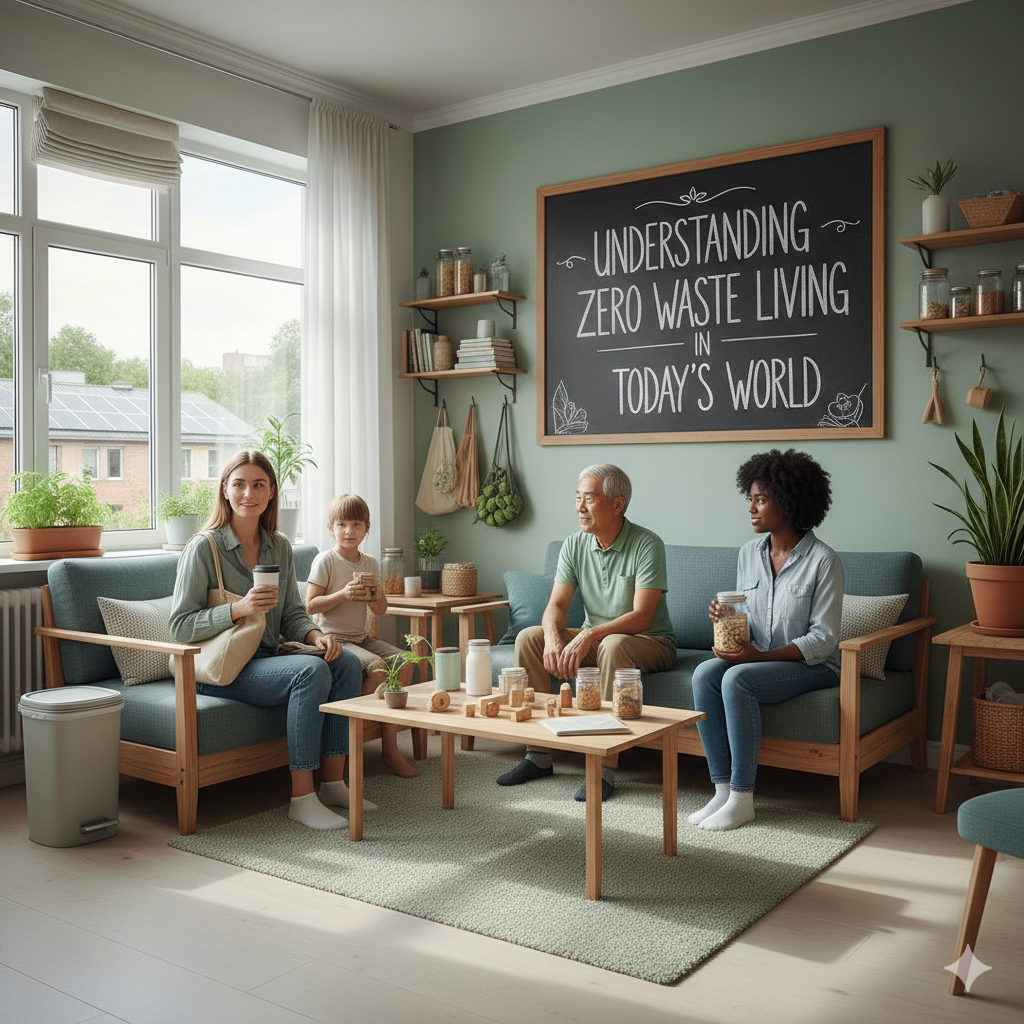
A Zero Waste lifestyle starts with awareness and intentional choices.
Mindful Consumption.
Buy only what you need and avoid impulse purchases. This reduces waste and saves money.
15. Community Awareness:

Joining local eco-groups or cleanup events helps build supportive, sustainable communities.
Zero Waste Living for Families and Kids.
Teaching children eco-friendly habits ensures a better future.
Fun Eco-Friendly Activities.
Planting trees, crafting with recyclables, and making DIY toys are fun and educational.
Teaching Children Sustainability.
Kids learn best through example—show them reusable habits, composting, and mindful buying.
FAQs About Zero Waste Living
1. Is Zero Waste Living expensive?
Not at all. It often saves money by reducing unnecessary purchases.
2. Can beginners start Zero Waste Living easily?
Yes! Start with simple swaps like reusable bags and bottles.
3. Does Zero Waste Living help the environment?
Absolutely. It reduces pollution, saves energy, and protects wildlife.
4. Do I need to buy special products?
No. Many Zero Waste habits use items you already have.
5. How can families practice Zero Waste?
Use reusable containers, avoid single-use plastics, and compost food scraps.
6. Does composting smell bad?
When done correctly, composting has a natural, earthy smell—not a bad one.
Conclusion:
Zero Waste Living is a powerful way to support a healthier planet while saving money and improving daily life. With simple habits, mindful buying, and reusable solutions, anyone can take meaningful steps toward a greener, more sustainable future.